What Is Eau de Parfum? EDP vs EDT vs Parfum, Explained
Learn what EDP means, how it differs from EDT and Parfum, why concentration doesn't guarantee longevity, and which fragrance concentration suits your presence.
In-depth master guides on fragrance science, concentration hierarchies, and formulation longevity alongside philosophical dispatches from our Grasse atelier.
What is perfume, really? An exhaustive exploration of the olfactory pyramid, volatile notes, fragrance families, concentrations from Cologne to Extrait, longevity myths, and the discipline of finding your true signature scent.
Read Complete Guide →Authoritative explorations of concentration hierarchies, perfume economics, olfactory note architecture, and genderless wearability.
Learn what EDP means, how it differs from EDT and Parfum, why concentration doesn't guarantee longevity, and which fragrance concentration suits your presence.
Explore the houses that define modern perfumery — from Chanel, Dior and Guerlain to Byredo, Creed, and emerging Indian niche perfumers.
Why does perfume cost ₹500, ₹5,000, or ₹25,000? Discover what influences price, from ingredients and concentration to packaging and cost per wear.
Learn what affects fragrance longevity, how to properly moisturise and apply to pulse points, and how to test your scent across the day.
Learn how top, middle, and base notes work together to create a fragrance, understand the dry-down, and discover how perfume evolves over time.
Are perfumes really made for men or women? Discover why fragrance notes have no gender, how unisex perfumery works, and how to choose intuitively.
“A fragrance does not enter a room. It announces you. And more importantly, it remains when you leave.”— SOVRÉ Haute Parfumerie, Paris
Volumes I – VI exploring scent psychology, raw botanical extraction, and the neurological pathways of memory.
Olfactory neurons bypass rational filtration to wire directly into the limbic cortex. We explore how vapor molecules claim physical space and establish authority without a single spoken word.
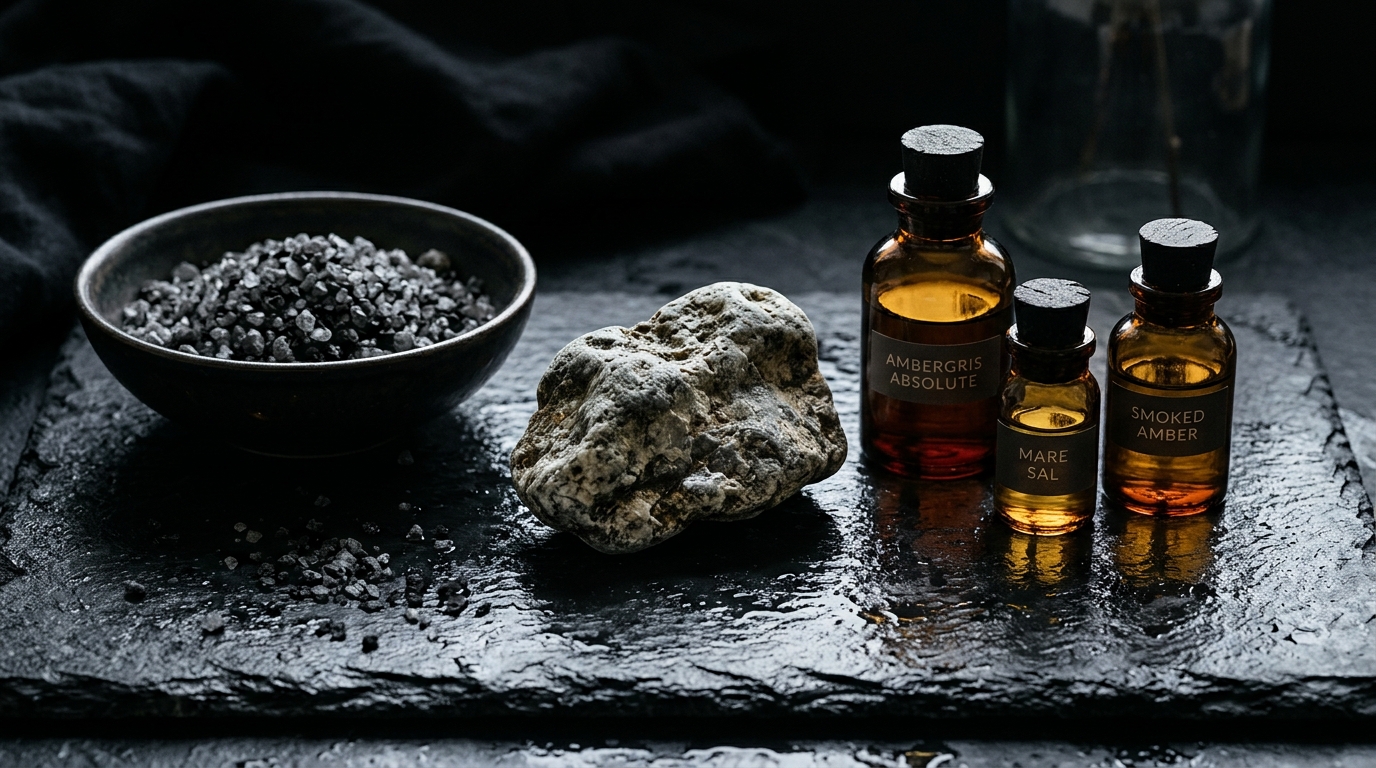
A fragrance does not enter a room; it announces you. But more importantly, it remains when you leave. We break down the lingering molecules of grey ambergris and dry woods that form a permanent silhouette in memory.
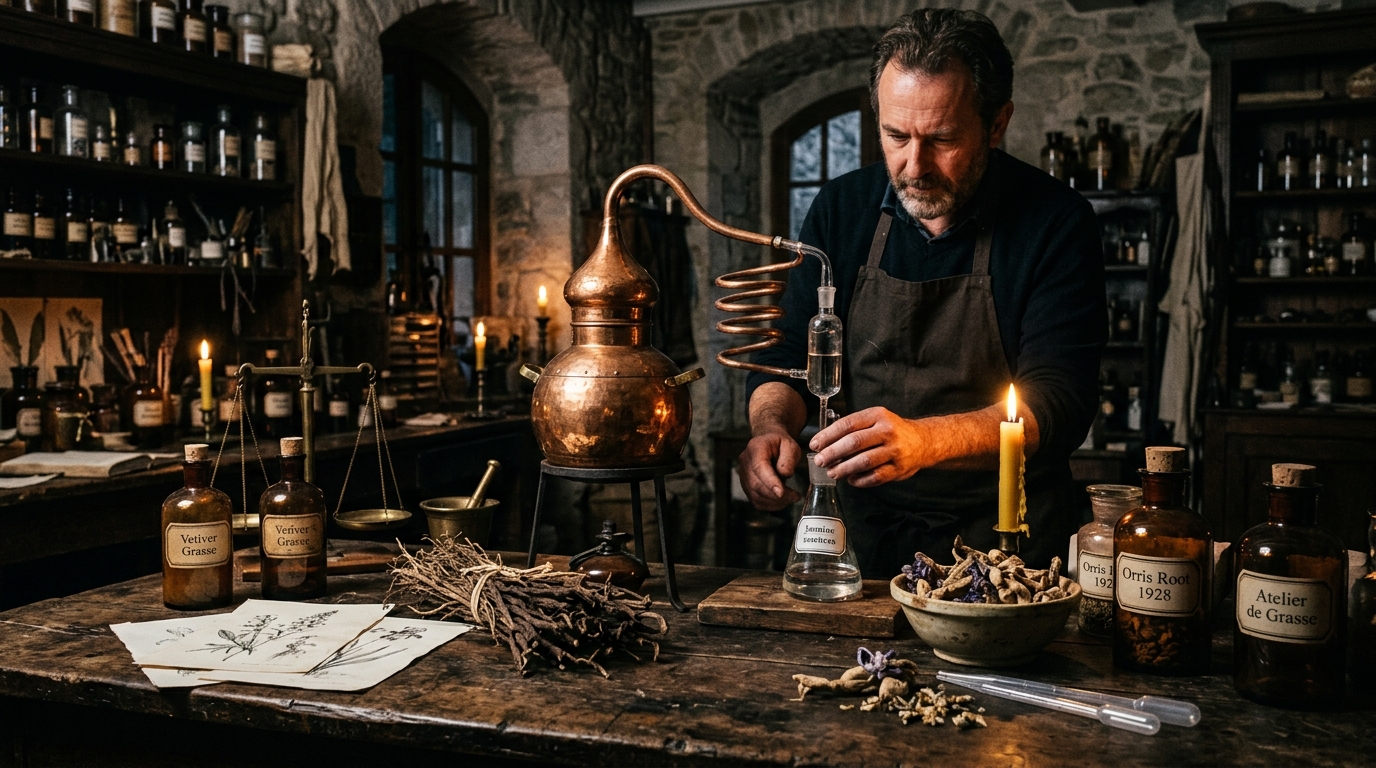
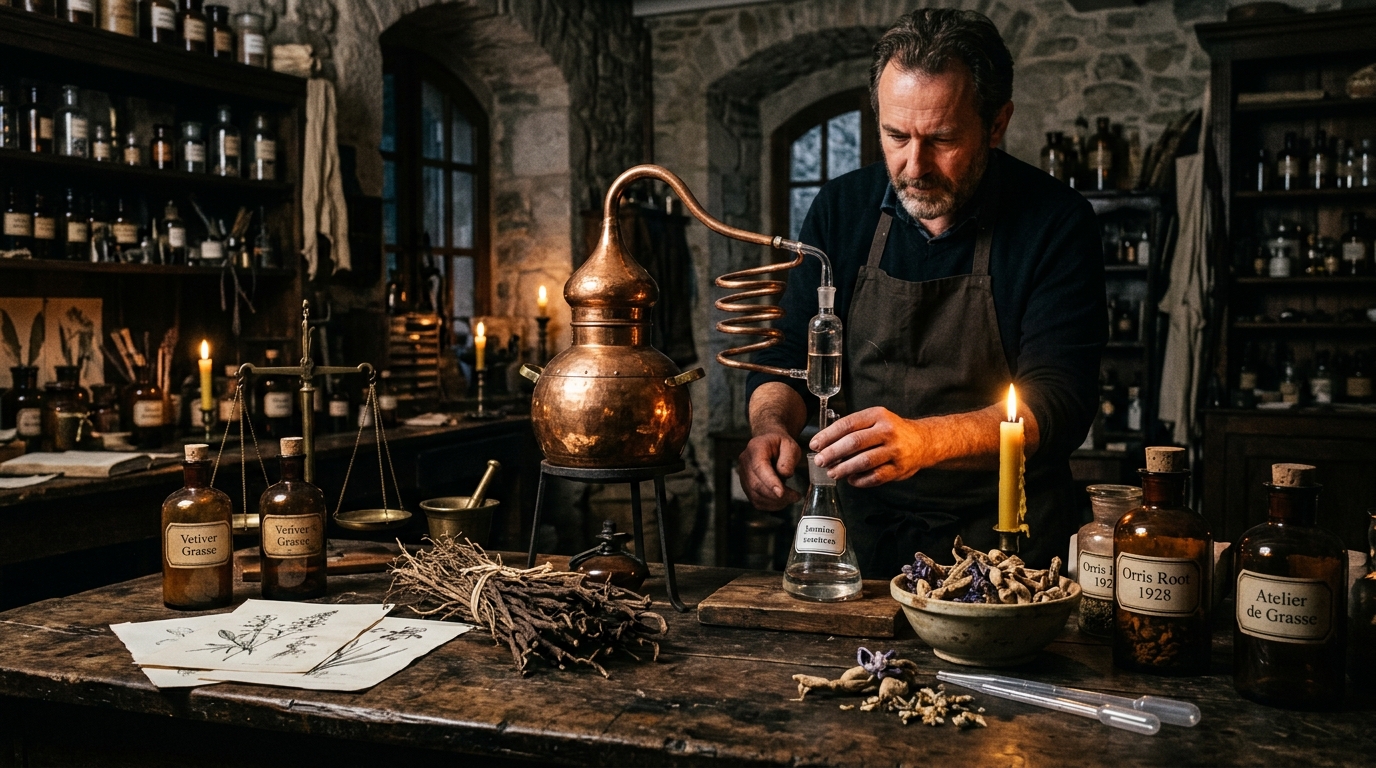
A behind-the-scenes exploration of our laboratory in Grasse. From the slow copper-alembic double-distillation of Bourbon vetiver to hand-pressed iris concrete, discover our non-commercial craft.
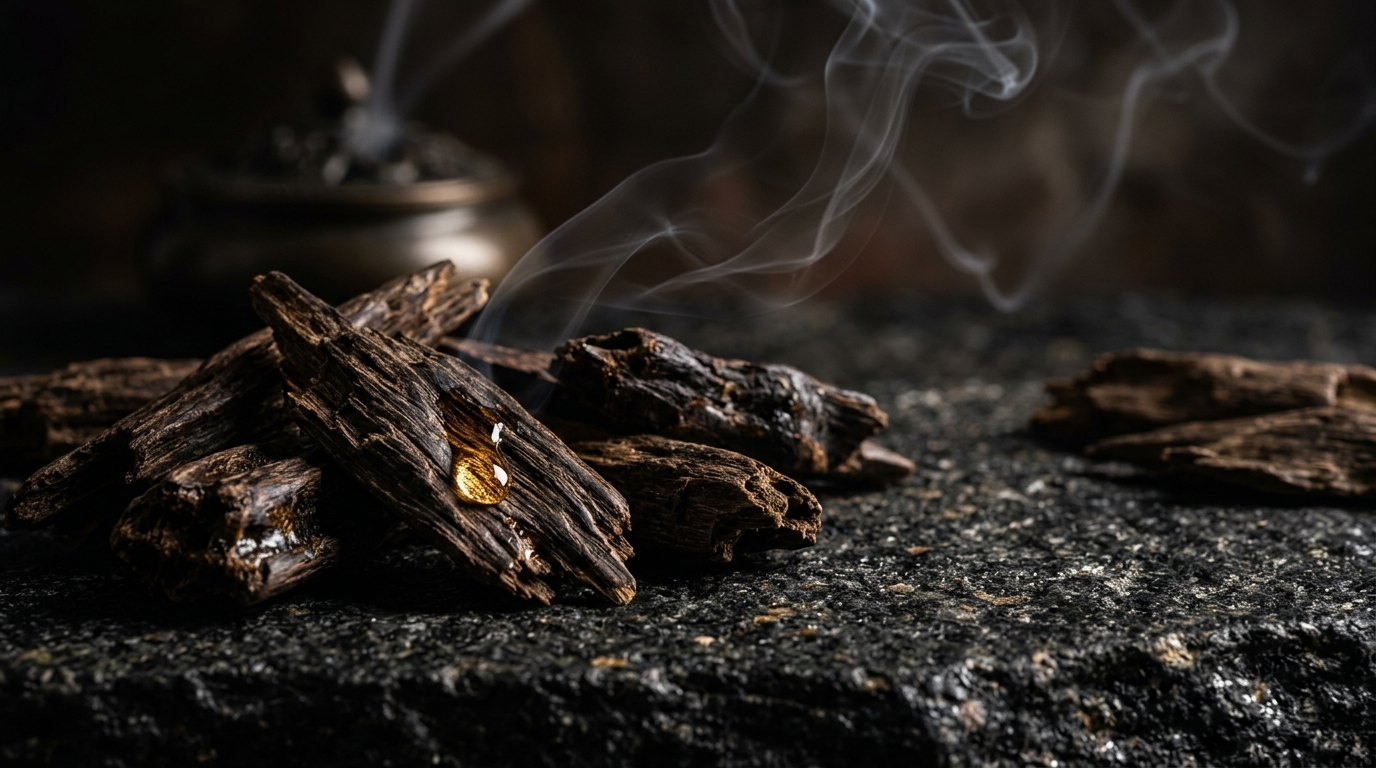
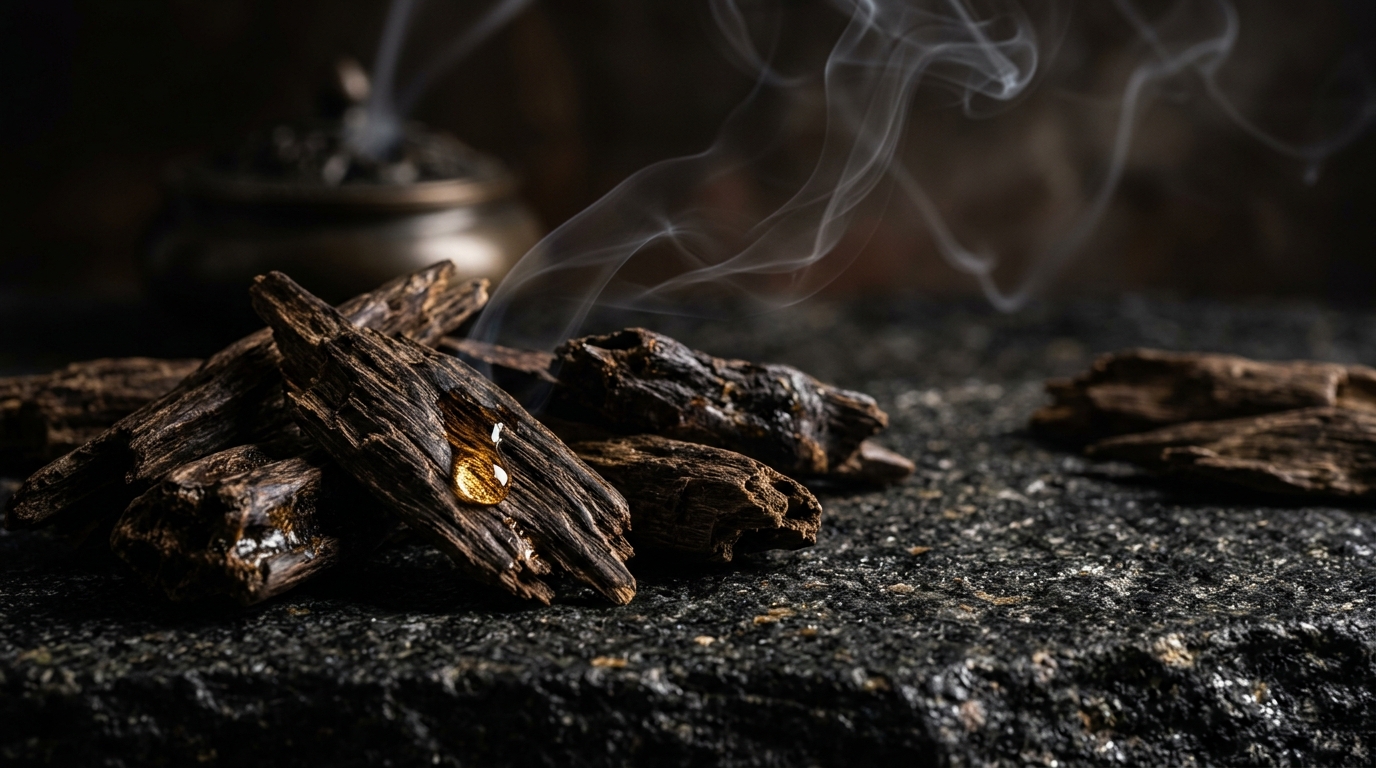
Agarwood—commonly known as Oud—is the result of a defensive resinous reaction inside ancient Aquilaria trees. We examine the sesquiterpene chemistry that yields its dark, animalic leather signature.
Your fragrance profile should adapt like bespoke tailoring. Learn how to transition from luminous daytime musks to nocturnal extraits enriched with smoked saffron, frankincense, and dark cedarwood.
Why do commercial EDTs vanish within hours while high-concentration pure extraits linger from dawn until midnight? We examine oil concentration ratios, alcohol evaporation curves, and maturation physics.